Popular Destination
Darjeeling
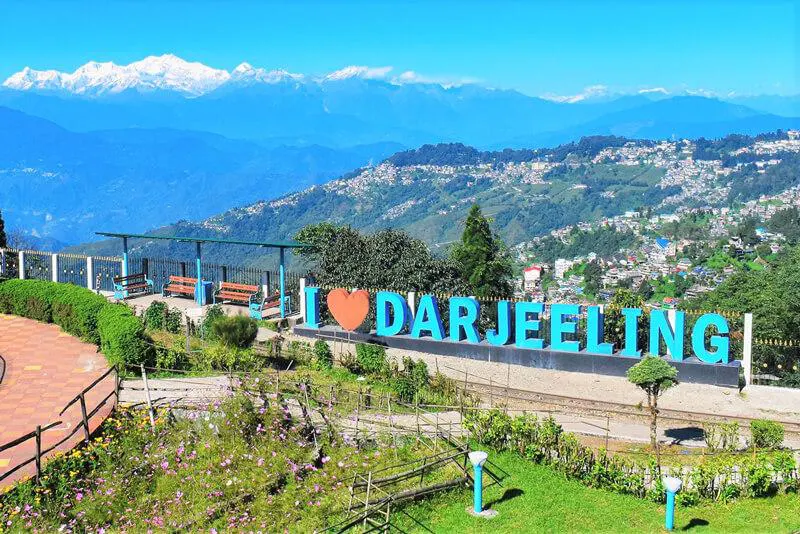
Often considered as the “Queen of the Hills”, without visiting Darjeeling, a must-see location in West Bengal, a tour to the hills would not be complete. It is well known for its magnificent tea gardens, breath-taking Himalayan vistas, notably Kanchenjunga and the quaint Toy Train. This well-known location combines mountain beauty with an old-world charm. Discover the top spots in Darjeeling, such as the bustling Mall Road, Batasia Loop, Japanese Temple, Tiger Hill for sunrises and Peace Pagoda. You have to know that you are in for an amazing journey!
Kalimpong
The Himalayan foothills of West Bengal are home to the East Indian hill town of Kalimpong. Buildings from the colonial era, such as MacFarlane Memorial Church, named after a Scottish missionary, may be found on the crest above the Teesta River. Sacred Buddhist texts can be found at Zang Dhok Palri Phodang, the hilltop Durpin Monastery, to the south. Views of the town and neighbouring hills may be seen from Deolo or Delo Park, which also features beautifully designed gardens. Another spot for haunted-house lovers is Morgan House with its own haunted stories!
Gangtok (Sikkim)
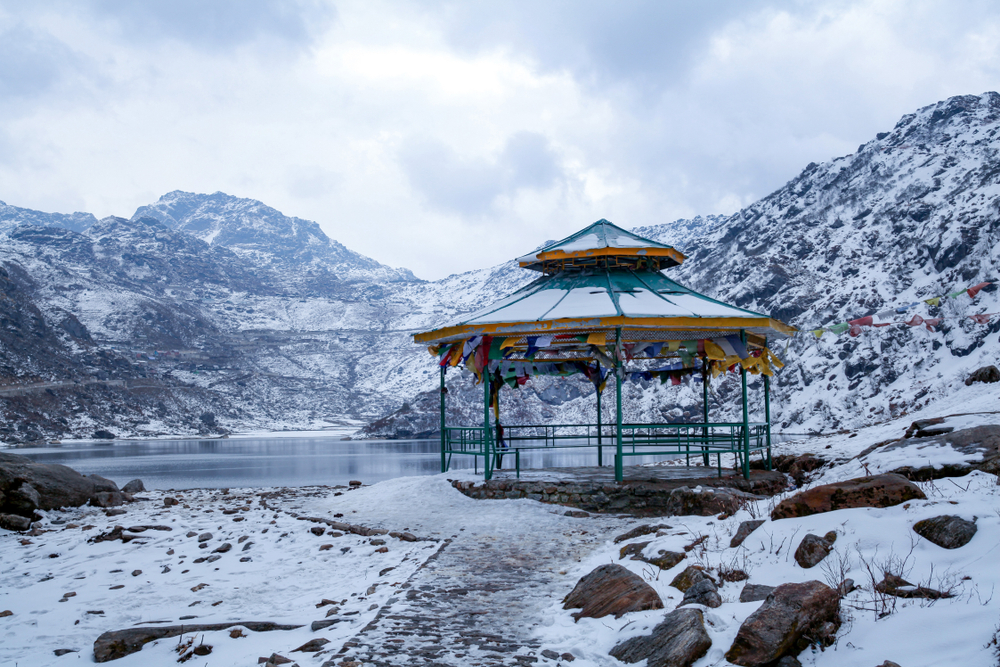
Gangtok is the capital of the scenic state of Sikkim, which is only a short, lovely journey from North Bengal. With serene temples and breath-taking scenery, it is a veritable Himalayan paradise. From tranquil lakes and towering snow-capped peaks to historic monasteries, Gangtok has a lot to offer to its tourists, such as the MG Marg for shopping, having Tibetan food and the famous Rumtek Monastery. Apart from these, there are also Banjhakri Falls, Tsomgo Lake, popularly known as the Tsongmo Lake or Changu Lake, New Baba Mandir and Nathula Pass. This stunning region, which is adjacent to North Bengal, is a popular destination for those that value tranquillity and the natural world. It also serves as a gateway to North Sikkim, thus, making it easier for tourists to include North Sikkim too in their tour itinerary.
Kurseong (Darjeeling Offbeat)
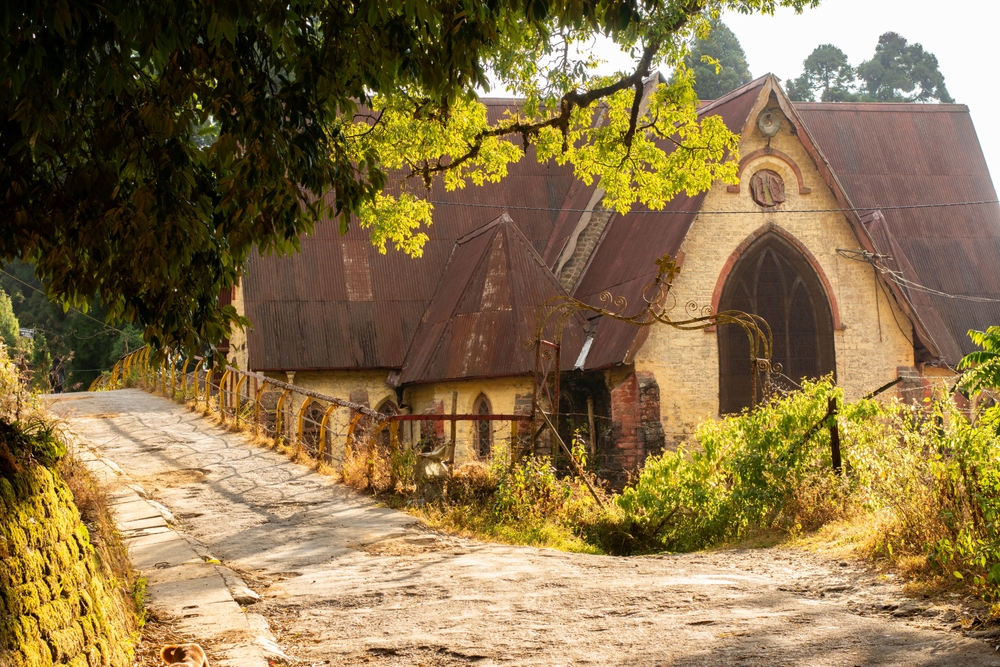
Kurseong sits in the lap of Darjeeling District of West Bengal, India. It is a hill station and sub divisional town. Kurseong, which is only 30 kilometres from Darjeeling, is situated at an elevation of 1458 meters (4864 feet). It experiences milder winters than Darjeeling and enjoys a lovely temperature all year round. Kurseong is known locally as “Kharsang”, which literally translates to “Land of White Orchids” in Lepcha. It is famous for its Chimney Viewpoint and the extremely mysterious Dow Hill. Tourists, who are sucker for haunted stories, wishing to experience some eerie feeling or want to have fun on spooky encounters with their friends, would never want to miss the forests of Dow Hill and the supposedly haunted Dow Hill School!
Dawaipani (Darjeeling Offbeat)
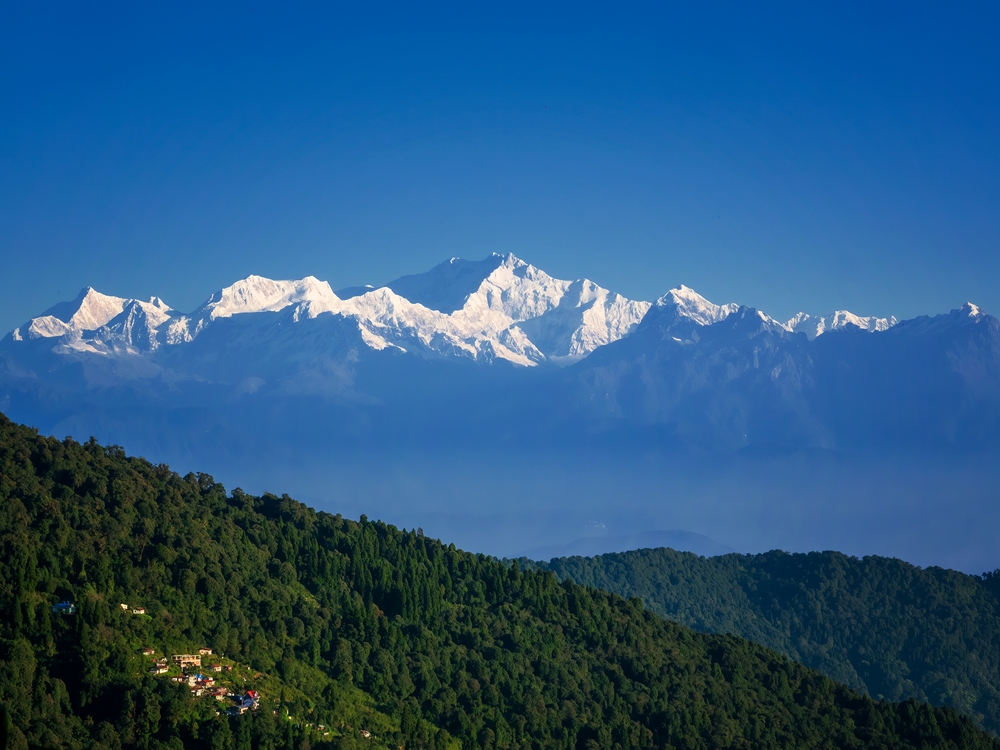
In the intriguing Darjeeling district of North Bengal, sits the little Himalayan village of Dawaipani. The settlement, known for Tiger Hill and its contribution of giving the clearest view of the Kanchenjunga, is located on the opposite hill from Darjeeling town. Darjeeling town is only 15 miles from Dawaipani and the closest intersection is Jorebunglow, which is only 7 kilometres from this stunning location. Hence, visitors, who want to visit the nearest offbeat location from Darjeeling, would definitely want to include Dawaipani into their itinerary. The town, which has just 135 to 150 homes, is a spot where one may relax in the middle of nature, well away from the chaos of Darjeeling. Another interesting fact about Dawaipani is that it gets its weird name from the Mineral Spring that is located here, which literally translates to Dawaipani in Hindi and is known for its medicinal properties!
Ramdhura (Kalimpong Offbeat)
A tiny village encircled by pine and cedar trees, Ramdhura is situated on the foothills of the Himalayas. Ramdhura is only 7-8 kilometres from Delo and it is even 80 kilometres from Siliguri. Ramdhura can be considered as the viewing spot of various hills and mountain ranges of Silk Route, Darjeeling and Kalimpong. This region is also well known for being close to other popular tourist destinations, such as Lava, Lolegaon and Sillery Gaon; hence, providing an easy access to these places.
Rishop (Kalimpong Offbeat)
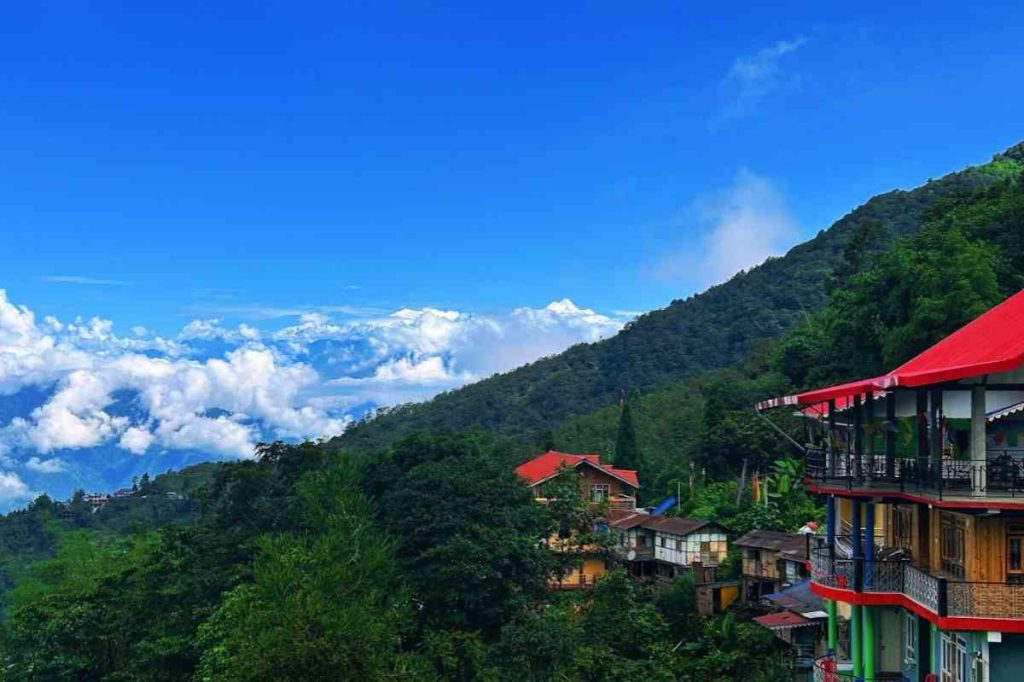
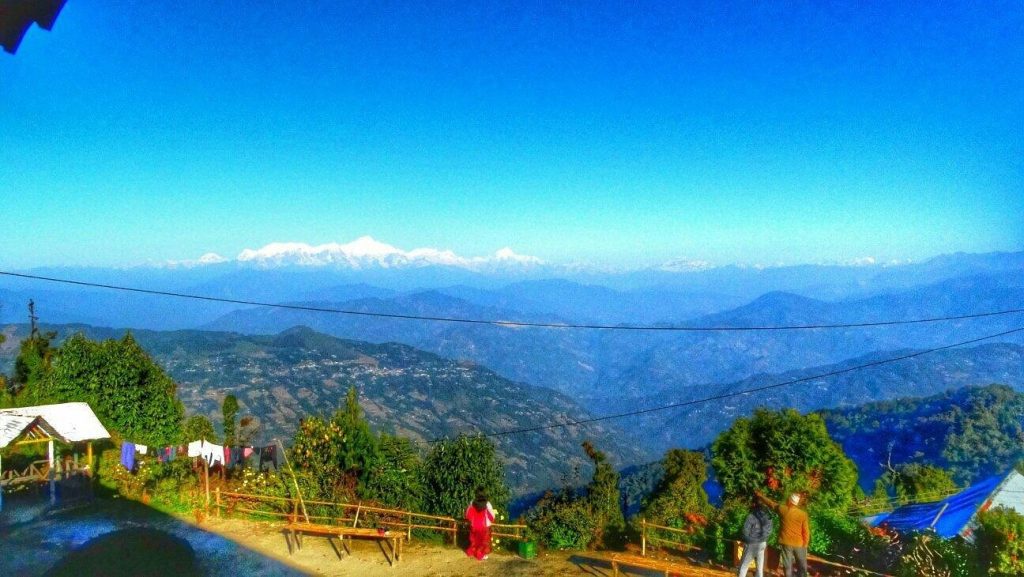
Rishop is roughly two hours’ drive from Kalimpong and sits at an elevation of 8,500 feet. This is the place to go if you enjoy the outdoors. Few locations provide a full 180-degree view of the Himalayan range across an extensive area of unbroken snow. It is a part of the Neora Valley, which is a home to varied flora and fauna, such as woods of pine, birch and fir as well as vibrant orchids. Another striking point of Rishop is its cloud-laden sky. The sky covering this beautiful location gives you a mesmerising view of the floating clouds, which makes you imagine as if they are dancing and swaying to celebrate your arrival! Therefore, you can just feel the clouds, to view the majestic Kanchenjunga and the hypnotic pine forests.
Sittong (Darjeeling Offbeat)
Sittong “The Orange Village” is located next to the Riyang River in a deep valley. It is only 76 kilometres from Bagdogra Airport (IXB), Siliguri and New Jalpaiguri (NJP) train station. Sittong, one of the most unexplored areas in the Darjeeling Himalayan foothills, is a hidden gem. This little, charming Lepcha town is surrounded by verdant hills and is in a valley that is crisscrossed by a watercourse (Khola). In Sittong, every home has a garden and orange trees can be seen in every garden. In the winter, the entire village becomes yellow. The popular spots of Sittong are Ahaldara Viewpoint and Namthing Pokhri from Upper Sittong, Jogighat over the Riyang River and Latpanchar nearby Sittong, which is a bird lover’s paradise.
Takdah (Darjeeling Offbeat)
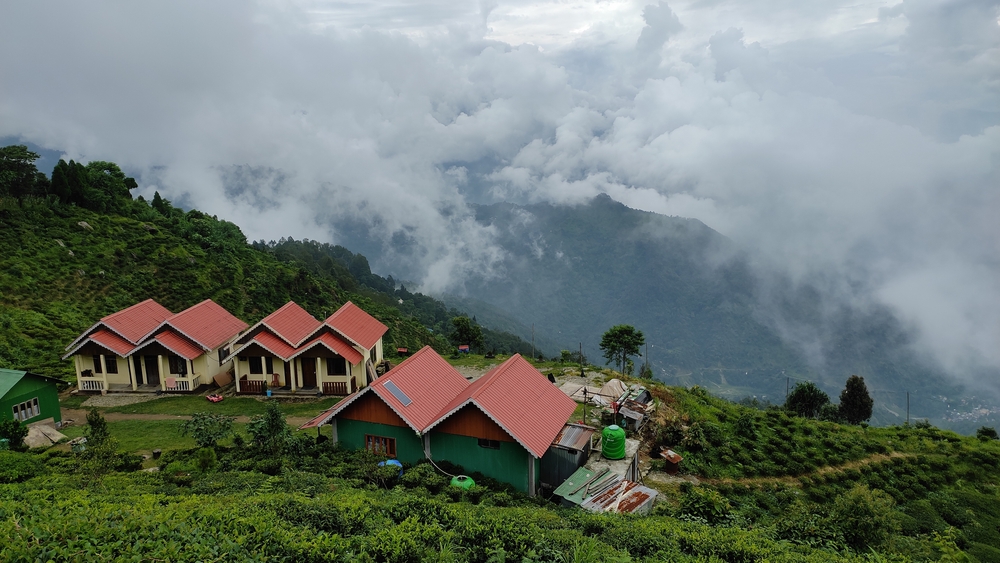
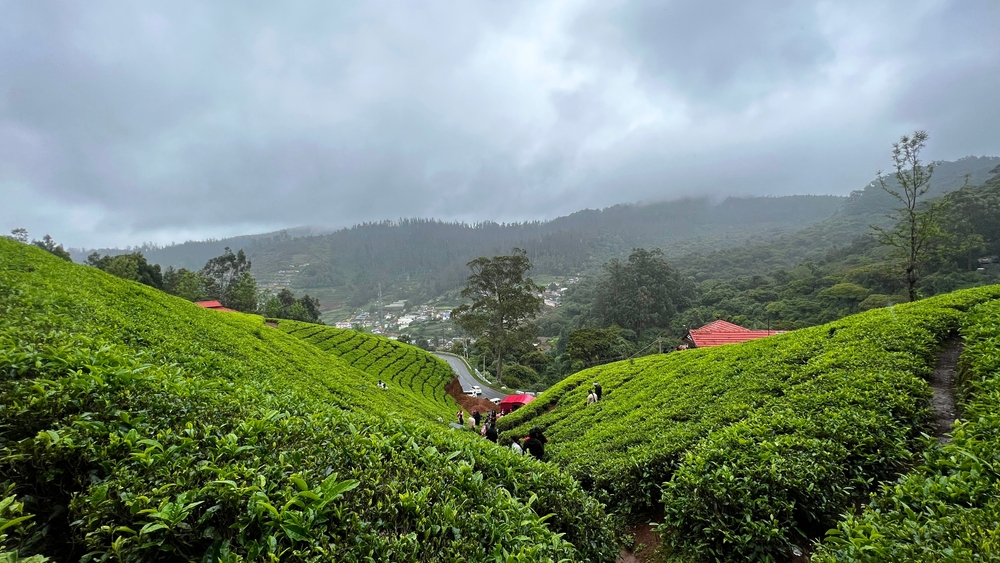
If you like tea gardens, orchids in bloom and walking through the paths of coniferous forests on mountain slopes, then Takdah is your go-to place. It is famous for its forests and again an orange valley. It is surrounded by beautiful mountains, seeking their picturesque views and so quiet a place that here you can even hear yourself breathing! Isn’t that really mesmerising? The original pronunciation of the name was “Tukdah”, a Lepcha term meaning fog or mist. Hence, you can simply enjoy the foggy misty air of Tukdah, along with some astonishing British architecture of the bungalows built in the colonial era for British settlement.
Tinchuley (Darjeeling Offbeat)
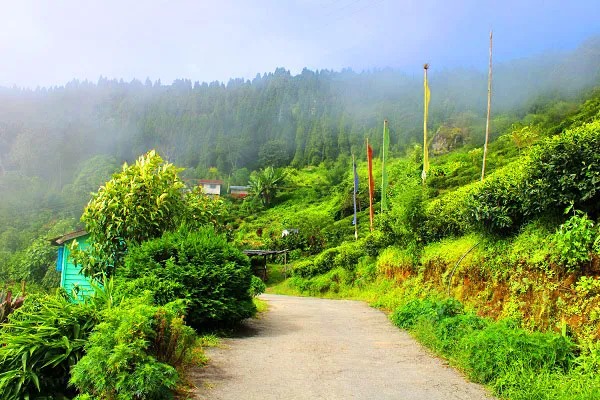
Approximately 5800 feet above sea level, this peaceful village is 32 kilometres from Darjeeling. It offers stunning views of the Himalayan range and the Kanchenjunga from the Gumbadara Viewpoint. The settlement, Tinchuley (also known as Tin Chullahs) meaning Three Ovens, got its name from the three high hilltops that encircle it and appear to be ovens or Chullahs from a distance. The Kalimpong hills are in front of Tinchuley. Changes in the weather can be commonly witnessed at Tinchuley owing to its foggy environment, as sometimes it can be cloudy, while sometimes only the fogs hitting you through your body.
Lamahatta (Darjeeling Offbeat)
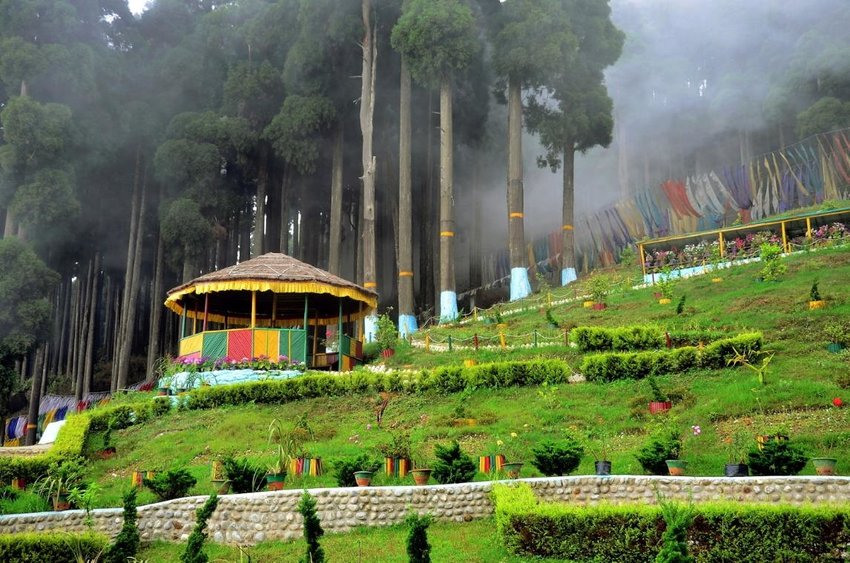
At 5,700 feet, this peaceful village is 23 kilometres from Darjeeling. It features a large, lovely wayside garden. It is famous for its pine forests, especially the Lamahatta Eco Pine Forest, which give excellent views of the Kanchenjunga peaks, rivers, nature paths and more. Every year, it draws a huge number of tourists due to such an adventurous experience of hiking along the pine forest and then reaching to nearby tourist places such as Peshok and Dawaipani. While farming and cattle rearing are the primary sources of income in this little community, Lamahatta is conveniently located near the Darjeeling-Kalimpong town route. It is one of the most unexplored hill stations of Darjeeling from Kolkata.
Lolegaon (Kalimpong Offbeat)
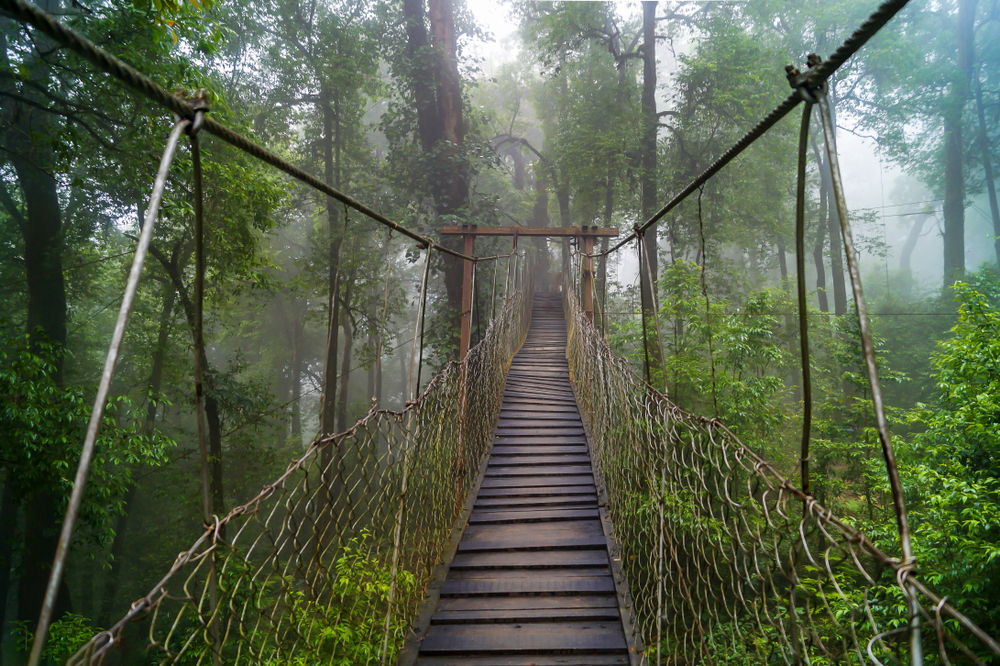
Lolegaon is 5,500 feet below sea level. Situated at 5,520 feet above sea level, Lolegaon is a serene hamlet, a Kalimpong offbeat, encircled by tall cypress and Dhupi forests. The Kanchenjunga range can be seen in broad strokes from a number of spots around the hamlet, including a spectacular view of the Neora Valley. Another major attraction is the Canopy Walk, while one would also wish to get a mesmerising view from the Dabling Viewpoint. A variety of orchids and other floral plantations are also visible here. Additionally, it is a fantastic location for birdwatchers.
Charkhole (Kalimpong Offbeat)
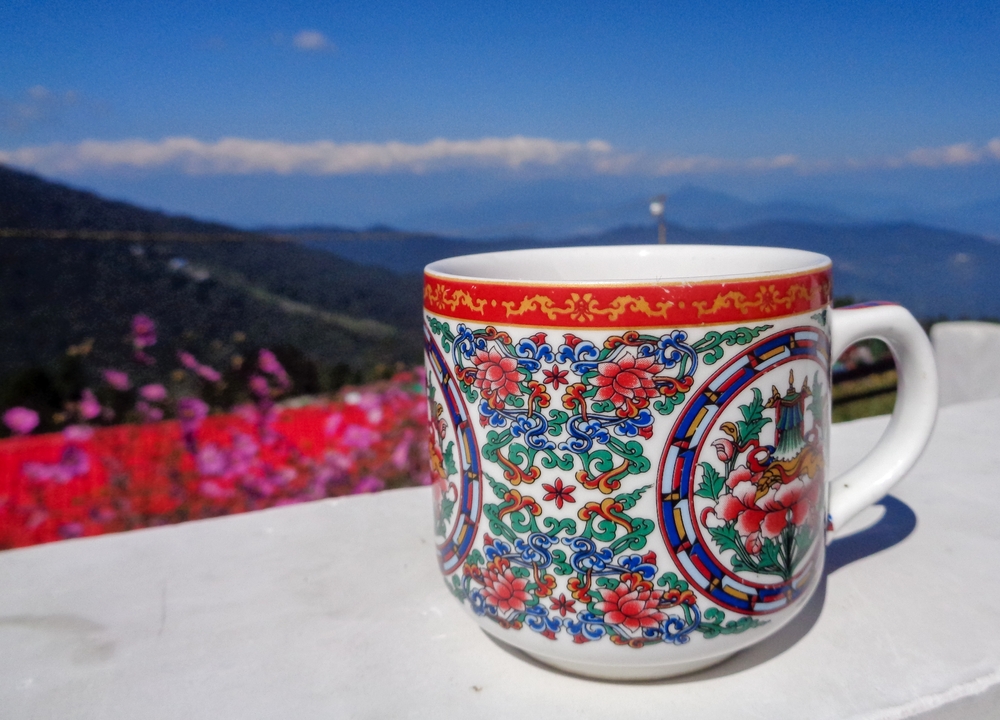
Only 15 kilometres from Lolegaon and 30 kilometres from Kalimpong, Charkhole is one of the newest tourist spots in the Eastern Himalayas. This tranquil valley of Charkhole is a haven for birdwatchers, which is 5200 feet above sea level and surrounded by dense, wet forests of tall pine, cypress, oak and rhododendron trees. You can jog on the village resort’s jogging track, take a nature walk through the coniferous forests in the warm sunlight, with birds and vibrant flora all around, or make a campfire at night beneath the starry sky in Charkhole. The greatest thing to do, however, is to enjoy a cup of tea while sitting on soft, mushy grass and soaking the riot of colour of Mt. Kanchenjunga.
Barmaik (Kalimpong Offbeat)
A tiny Himalayan town in the Kalimpong highlands, known as Barmek or Barmaik, is near Icche Gaon. From this location, you may see the majestic Teesta River and the captivating panorama of Mount Kanchenjunga. It is around 4800 feet above sea level. Barmaik is near Ramdhura and leads a route to both Munsong and Dara Gaon.
Pelling (West Sikkim)
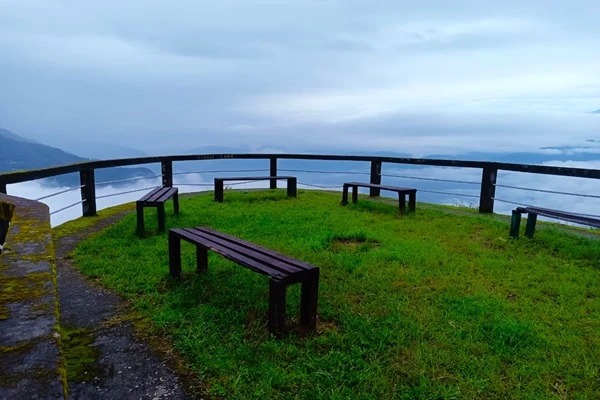
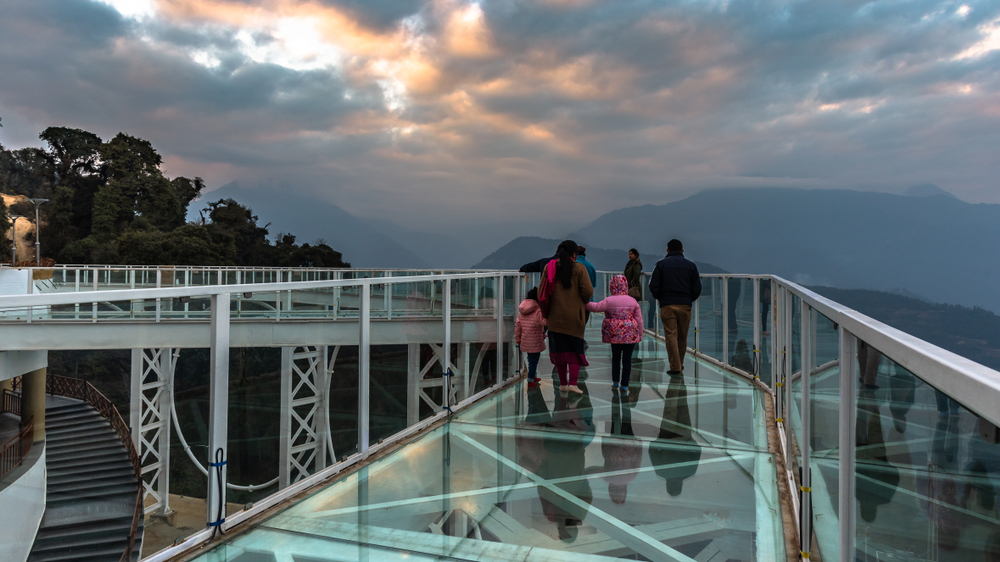
In the foothills of Mount Kanchenjunga, in the North Eastern Indian state of Sikkim, sits the little village of Pelling. With views of the mountains, the Buddhist Sanga Choling Monastery dates back to the late 17th century. There are sculptures, wall paintings and a gold-plated statue of Guru Padmasambhava at Pemayangtse Monastery. The ruins of the 17th-century Rabdentse Palace, which overlooked a valley, nevertheless show remnants of the king’s kitchen and bedroom. Once the state capital of Sikkim, it is now famous for its Skywalk and Singshore Suspension Bridge. Besides, it is considered as the Face of West Sikkim and tourists, desirous of having the clearest view of Kanchenjunga from Sikkim, can definitely consider Pelling as their go-to hub.
Sandakphu
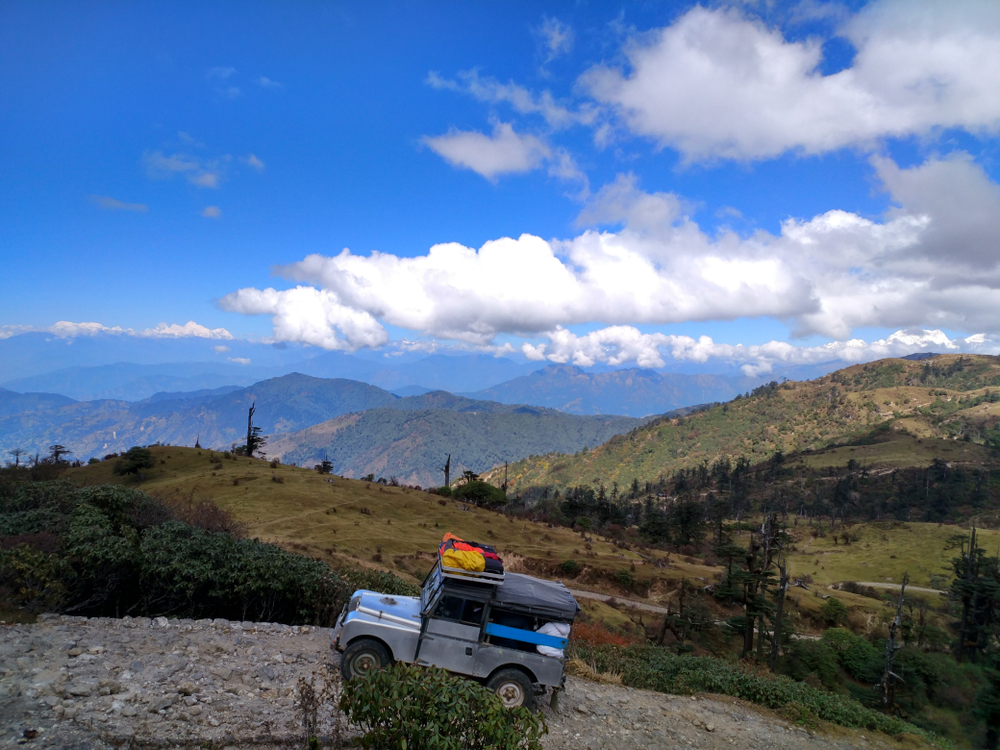
Sandakphu holds a unique place in the hearts of mountain lovers. The reason of this will astonish you! The highest peak in India (Mt. Kanchenjunga), the highest point in Bhutan (Mt. Chomba Lanzo), the highest peak in the globe (Mt. Everest) and four of the world’s tallest mountains (Everest, Kanchenjunga, Makalu and Lhotse) can all be seen from Sandakphu. Another noteworthy speciality of Sandakphu is the fact that it is right at the Indo-Nepal Border, which imparts the feeling of touching the soils of both the countries simultaneously to the tourists. You are in India when you are at the Tonglu settlement, while you are right in Nepal, when you are at the adjacent Tumling settlement (also known as Tungling). So, come here and touch the snow, which is not visible in Darjeeling Town. Enter here for the riot of colour known as Guras (rhododendron), which you should avoid touching, while the Red Panda is another surprise in store for you in the Singalila National Park! Moreover, you can visit Kala Pokhri, trek at Phalut, simply enjoy the perennial snow clad environment or travel by “Land of Land Rovers” because only Land Rovers have the permit to traverse the rugged terrains from Manebhanjan.
Chatakpur (Darjeeling Offbeat)
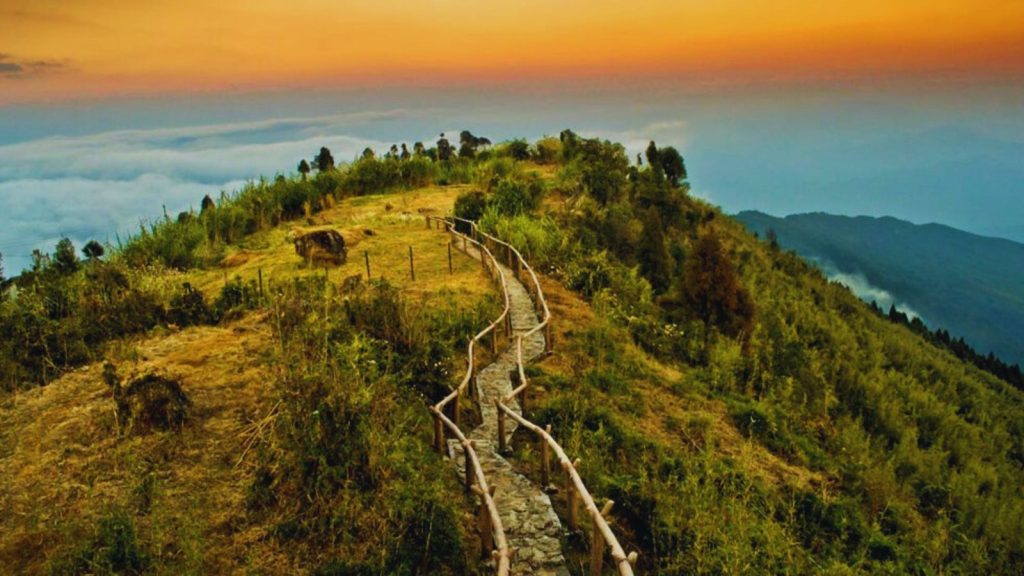
Chatakpur is a tiny, environmentally conscious community, which is located in Senchal Wildlife Sanctuary of Darjeeling. About 80 kilometres separate it from NJP or Bagdogra, 26 kilometres from Darjeeling and 17 kilometres from Jorebunglow, Ghoom. Situated at an elevation of 7,887 feet, Chatakpur is a nature lover’s dream-come-true because it offers a breath-taking view of the Kanchenjunga mountain range while also offering a serene village environment with only about 90 residents and 18 village houses.
Ravangla (South Sikkim)
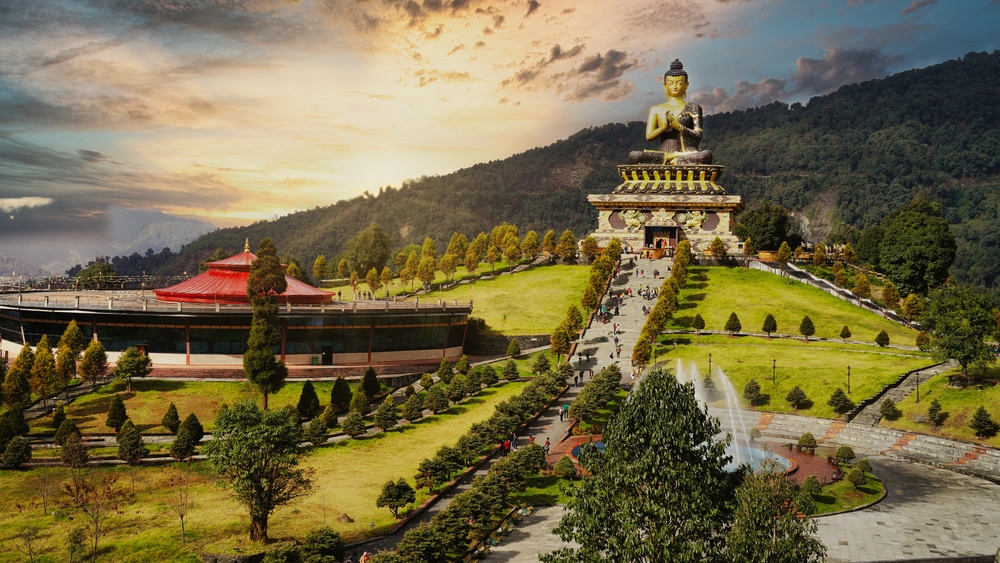
At a height of 8,000 feet, Ravangla or Rabangla serves as the starting point for the hike to Maenam Wildlife Sanctuary. The famous Borong village is reached by the Maenam hike, which starts in Namchi or Damthang and ends in Tendong. This is where the trek may terminate, or it may continue until Tashidang. One of the features of this area is Borong, which has a hot spring feature. On the way to the trek, stop by Maenam Gompa. Snowfall occurs in the upper Ravangla region throughout the winter months. Featuring stunning views of the Himalayas, particularly Mount Kabru, Mount Pandim, Mount Siniolchu and Mount Kanchenjunga, nearby lies the Kagyu school of Ralang Monastery of the Tibetan Buddhists and the famous Buddha Park.
Namchi (South Sikkim)
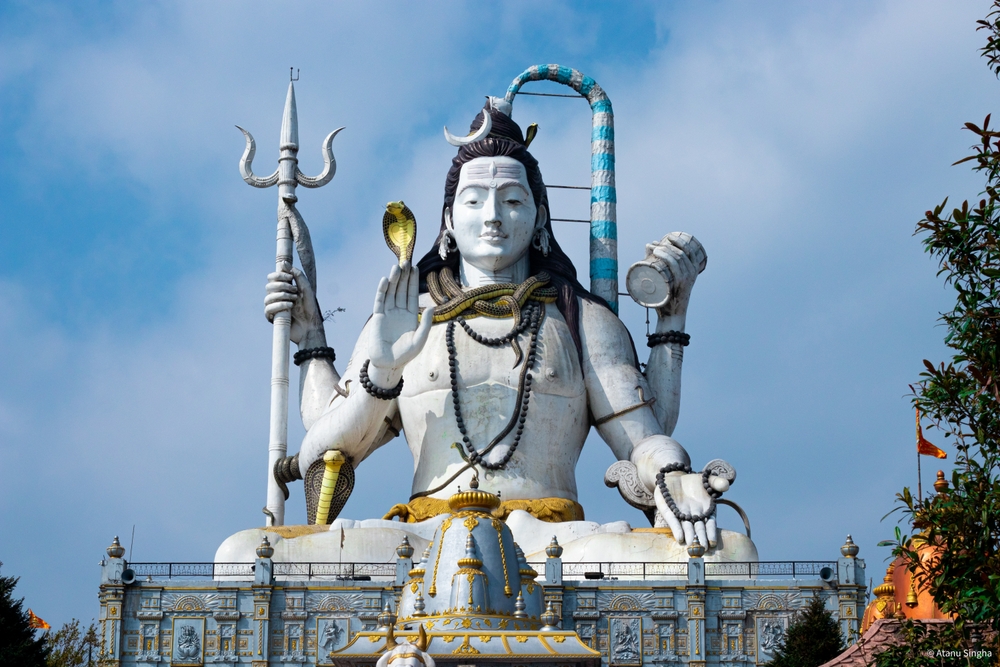
Namchi is a little community in Sikkim’s West Sikkim District. Legend has it that Pende Ongmoo, the cunning princess, who poisoned one of the Chogyals of Sikkim, is still haunting the slopes of Ghurpisey located in Namchi. According to history, she was captured and murdered at Namchi. On the Solophok mountaintop in Namchi, there is Siddheshwar Char Dham, a tourism and pilgrimage/cultural centre, which was constructed with an 87-foot tall statue of Lord Shiva and replicas of the four national Dhaams— Badrinath, Dwarka, Puri and Rameswaram. Besides, there are Bhaichung Stadium, Tarey Bhir, which is a beautiful spot in South Sikkim near Namchi, and the Samdruptse Monastery, which is on a wish fulfilling hill having the tallest statue of Guru Padmasambhava
Temi Tea Garden (South Sikkim)
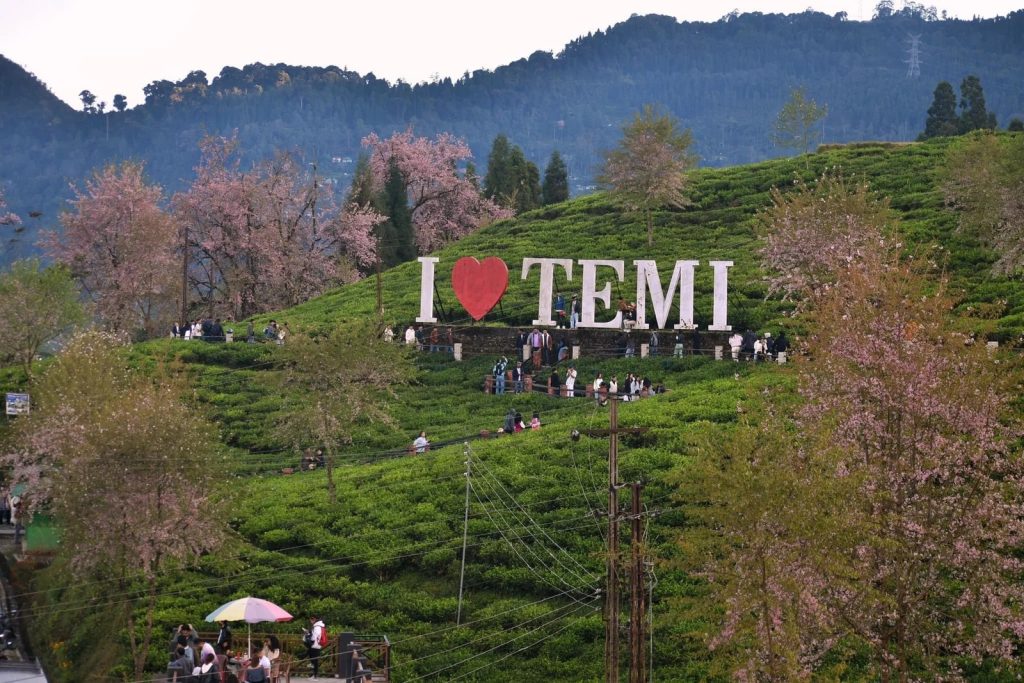
The Temi Tea Garden, Sikkim’s only tea estate, is close by Namchi and well worth a visit. The annual flower show of Namchi Garden is held near Temi only, which features rare and exotic orchids and takes place in February. In addition to being a popular destination for bird watchers, Temi Tea Garden is a must-see.
Lachen (North Sikkim)
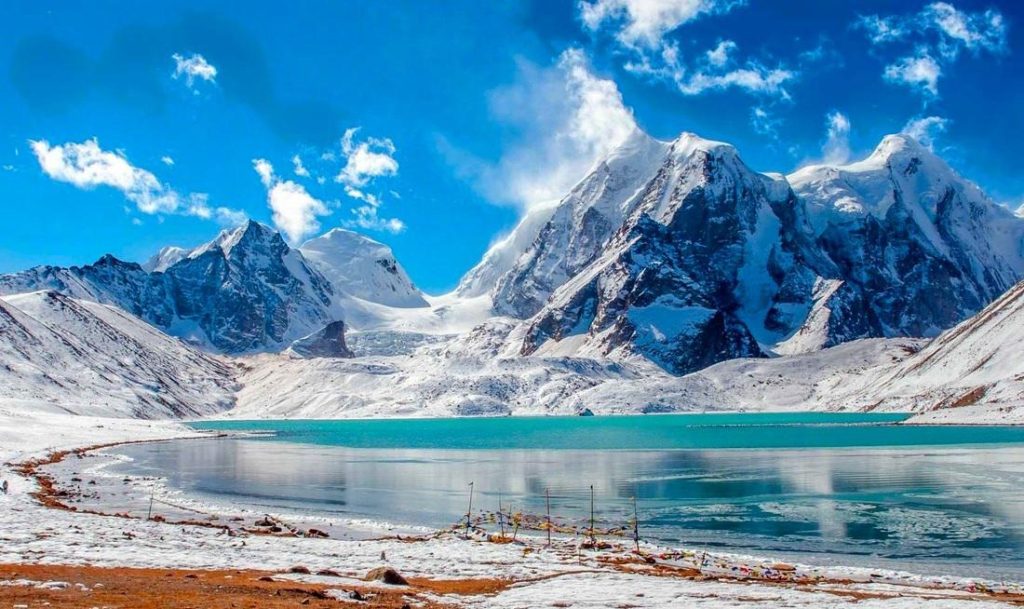
Lachen is a Sikkimese hamlet in North Sikkim, which has a lot to offer to you if you are a lover of the old world. The clean glacial rivers and the powerful old trees summarises the scenes of Lachen for you. This creates a perfect harmony that transports visitors to the Himalayas. The most attractive point of Lachen is Gurudongmar Lake, which is a natural water lake located at the highest point in the world. Along with it, there are Kala Patthar, which is perennially snow-clad, Chopta Valley, Thangu Valley, Naga Falls and Lachen Monastery.
Lachung (North Sikkim)
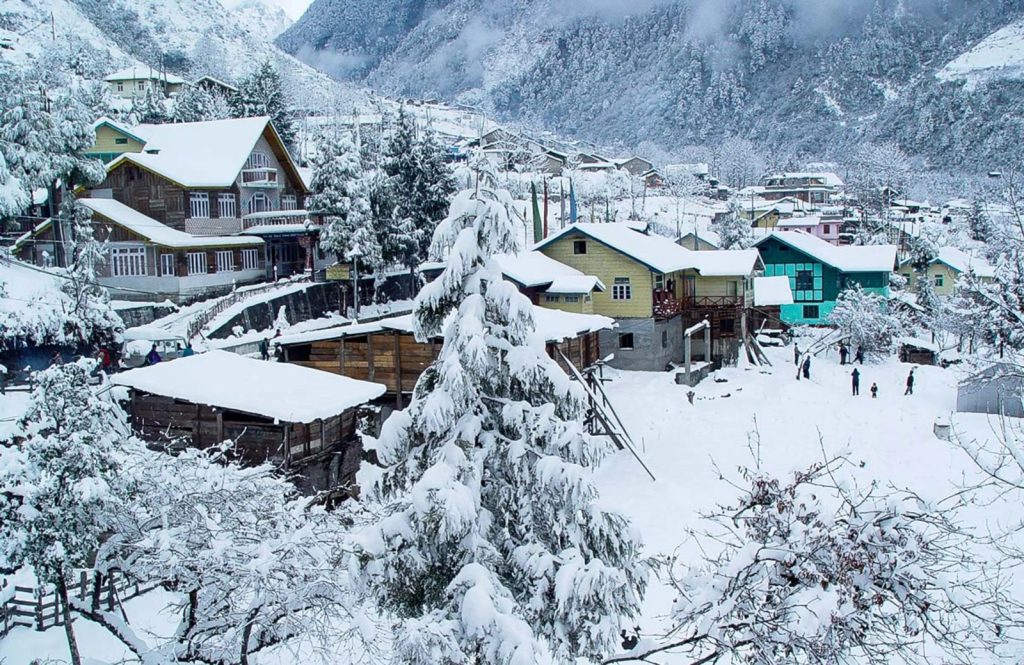
Lachung, located in North Sikkim, is famous for Yumthang Valley, which is also known as the “Valley of Flowers”. With its well-known sparkling waterfalls, snow-capped hills and crystal-clear water, this charming and beautiful village in Sikkim is home to several historic monasteries that draw visitors from all over the world. It has varieties of flowers, including Rhododendron and Orchids. You can also visit Zero Point for its Alpine Flora and Lachen Chu River.
Peshok Tea Garden (Darjeeling Offbeat)
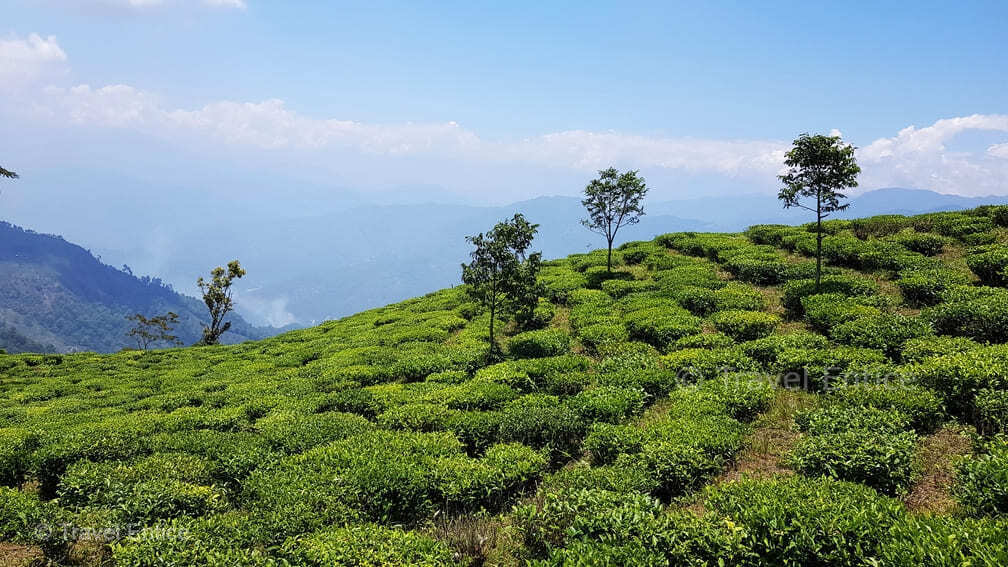
Peshok is a unique village in Darjeeling that is surrounded by lush foliage and unadulterated natural beauty. Every visitor to this tiny village is fascinated by the glittering view of Kanchenjunga and the expansive tea garden. Peshok, which is close to Tukdah, Tinchuley, Lover’s Point and Lamahatta Eco Park, is a fantastic vacation spot for people looking for tranquillity amidst nature and a short break from the bustle of the city.
Rishihat (Darjeeling Offbeat)
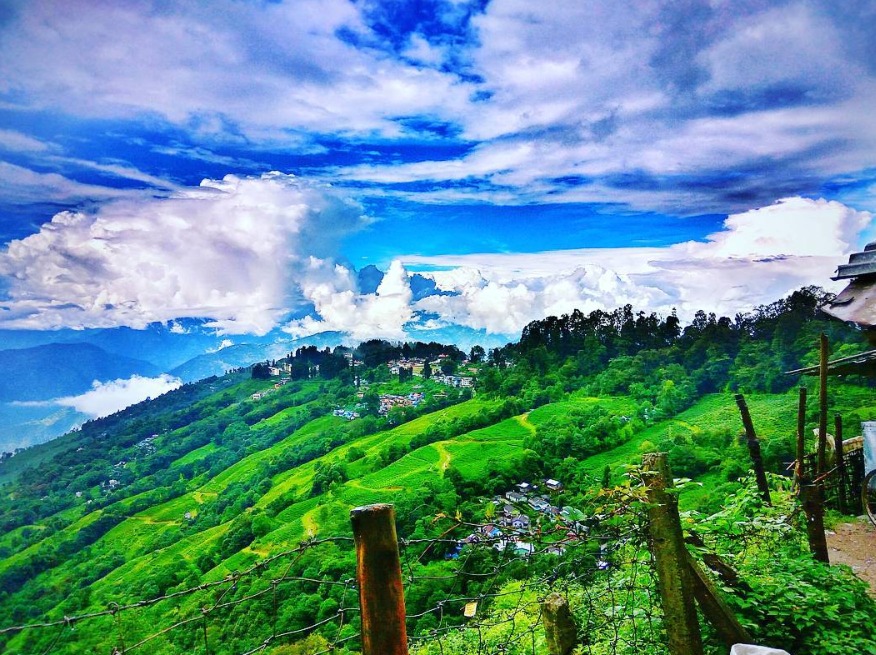
Rishihat is a peaceful picturesque area, tucked away from Darjeeling. It is surrounded by misty hills and lovely tea gardens, having the famous Rock Garden. It provides visitors with a tranquil haven in the middle of nature, having the renowned Orange Valley Tea Estate and is only a short drive from Darjeeling town. It is the ideal location for people looking to unwind away from the bustling city life because of the clean mountain air, thus, allowing an easy view of the mighty Kanchenjunga. Lush, peaceful surroundings nearby Ghoom and Gangamaiya Park are its famous attractions.
Bijanbari (Darjeeling Offbeat)
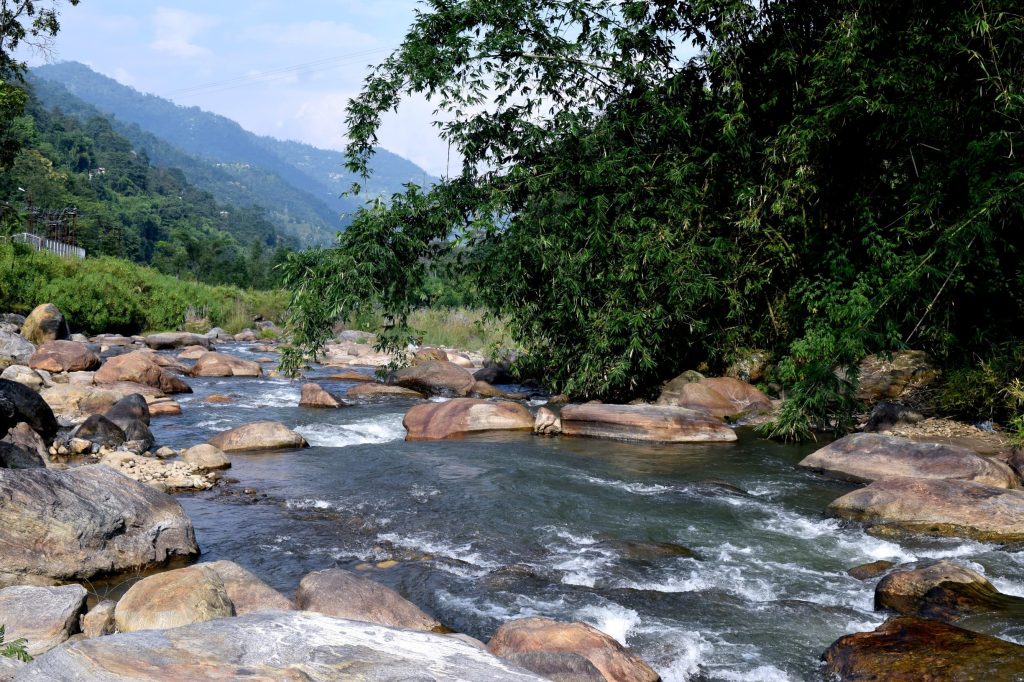
Bijanbari offers breath-taking views of hills, valleys, rivers and natural forests. In its purest form, Bijanbari is the best spot for ecotourism. It has homestays along the banks of the river, causing a river cascade beside Chhota Rangit River flowing from Sikkim, which flows down through Bijanbari, to meet the Teesta River in Darjeeling. There are bamboo homestays, which add to its beauty. Hiking, trekking, bird watching, riverbank camping and leisurely nature walks are all options.
Mim Tea Garden (Darjeeling Offbeat)
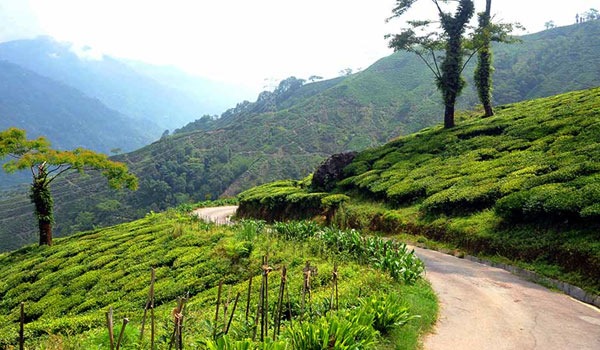
The Mim Tea Garden was created back in 1863. Local legend states that a British woman oversaw this tea estate. People used to refer to her as “Mem” or “Memsahib” and since she oversaw the tea garden, it became to be known as “Mem ko Kaman”, or Memsahib’s Garden. The word “Mim” is thought to have come from the words “Mem” or “Memsahib”. It’s interesting to note that, under the name Andrew Yule Company, the Government of India operates the lone tea garden in Darjeeling, the Mim. Cottages are built within the tea estates only, which allow the tourists to enjoy their day amongst the tea gardens and suck in the aroma in the air.
Mirik (Darjeeling Offbeat)
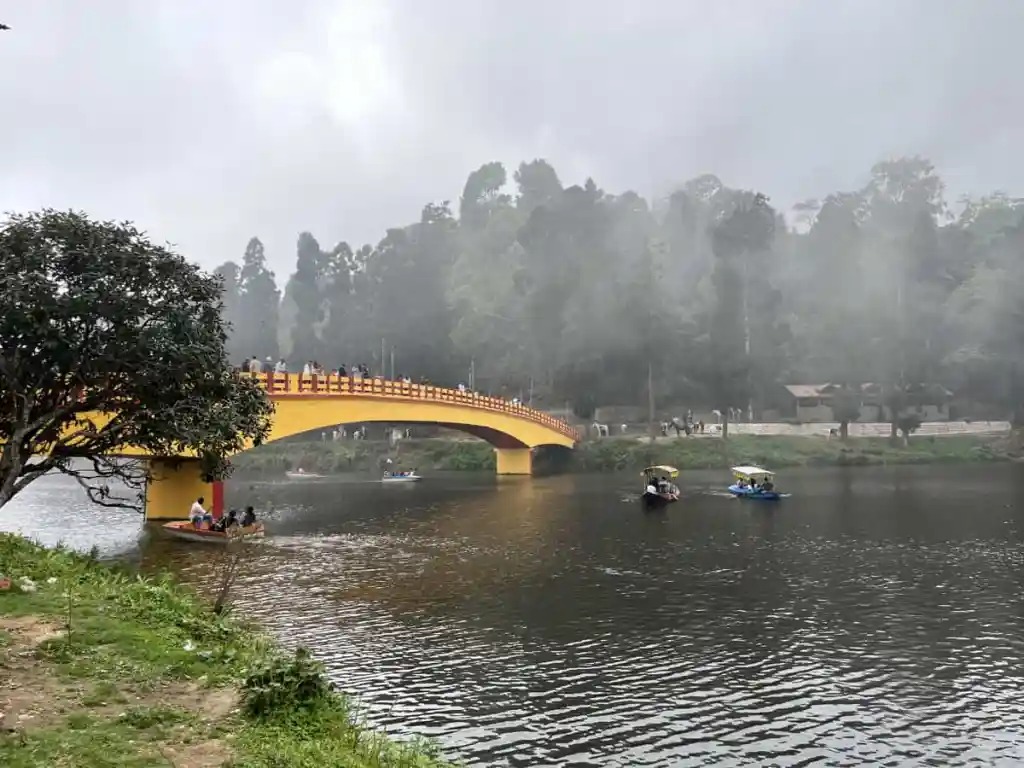
In North Bengal, the little town of Mirik is a notified area of the Darjeeling district. The Lepcha term “Mir-Yok” is for the “Place burnt by fire”, which is whence the name Mirik originates. The key place to visit is the Mirik Lake and it serves as a gateway from Darjeeling to Siliguri. People shop from the Pashupati Market and compulsorily visit Gopaldhara Tea Garden.
Tabakoshi (Darjeeling Offbeat)
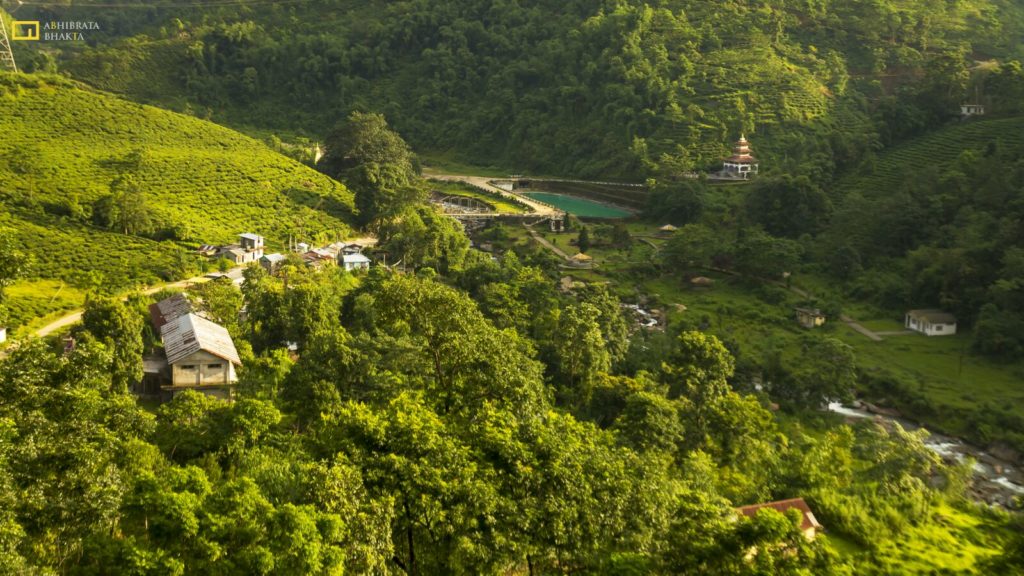
Tabakoshi is a little village in the middle of Mirik Tea Garden. It is 8 kilometres downhill from Mirik, next to the roughly 5000-foot-high Gopaldhara Tea Estate. Compared to the crowds of Dooars or Mirik, the location is largely unknown to tourists and is fairly serene. It is majorly famous for the Rangbhong River that flows through Tabakoshi and visitors love to sit at the verandas of their homestays, situated alongside the river to watch this flowing beauty. Hence, Rangbhong River serves as the heart of Tabakoshi, giving tourists the opportunity to stay there with the river on one side and the tea garden on their other side.
Sonada (Darjeeling Offbeat)
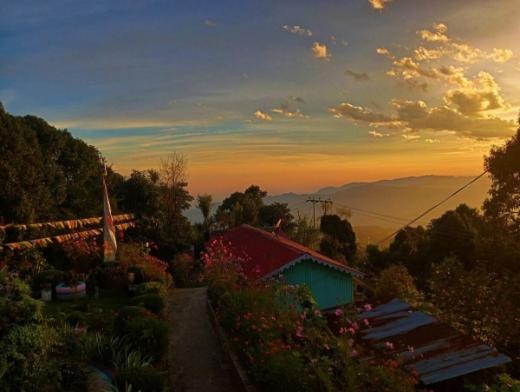
Located quite near to Kurseong is Sonada, which falls on the route to Darjeeling from Kurseong. Sonada offers something for everyone, whether you are an adventurer, a nature lover, or someone seeking a spiritual getaway. This quaint town, which lies between Kurseong and Darjeeling, is well known for its luscious tea gardens and breath-taking natural beauty. You would find the most unpredictable weather in Sonada, as one moment, you would soak yourself in the sun, while the other moment, you would be surrounded with clouds and the very next moment, it would be foggy all around.
Lava (Kalimpong Offbeat)
Lava is a tiny village in the Kalimpong district, located 34 kilometres east of Kalimpong, close to Algarah. It is located 7,016 feet above sea level. It is among the few locations in West Bengal that experiences winter snowfall. The charming village of Lava is tucked away on the outskirts of Neora Valley National Park. It has turned into a paradise with its tranquil atmosphere, monasteries and pristine alpine forest.
Kaffergaon (Kalimpong Offbeat)
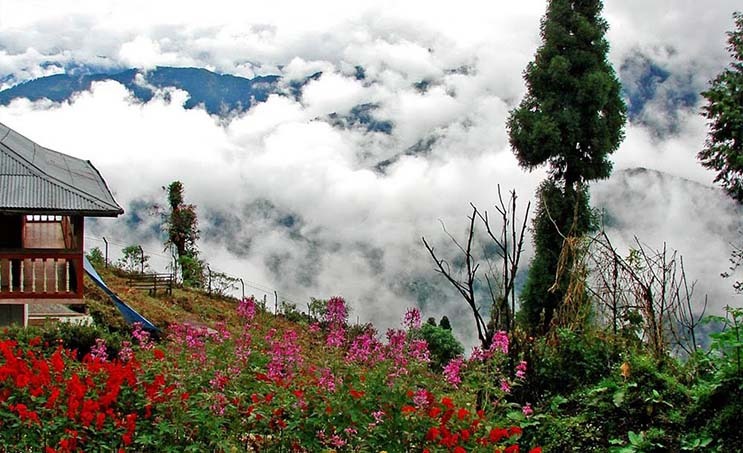
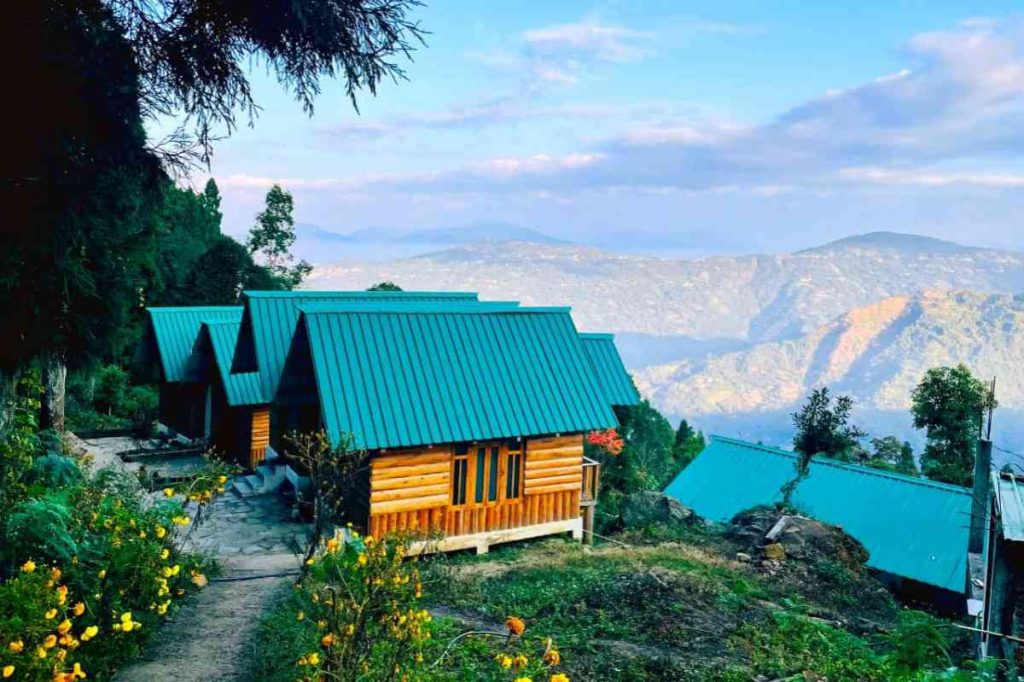
Kaffergaon is a pretty-new off-track location near Lolegaon. You may reach picturesque Kaffergaon along a perilous winding route. Surrounded by tall, snow-capped mountains, verdant woods and a variety of unusual flora and fauna, you can call Kaffergaon as of the best-kept secrets of the Himalayas. This is a worthy location for mental and spiritual relaxation. Seeing the breath-taking sunrise from Bhutan’s eastern horizon is a must-do activity in Kaffergaon. Additionally, take in the breath-taking vistas of Mount Kanchenjunga as the golden sunrays descend on it. Watching the sunset is equally lovely. Without any hindrance, Mount Kanchenjunga and its adjacent peaks are visible. Kaffergaon envelops you in a cocoon of seclusion and tranquilly.
Samalbong (Kalimpong Offbeat)
Samalbong is a place that skilfully blends historical significance, cultural diversity and scenic beauty. This charming town has something to offer any visitor; whether they choose to explore the breath-taking scenery, become fully immersed in the local way of life, or go on exhilarating excursions. Samalbong Kalimpong allows guests to unwind, revitalise and embrace the magic of the Eastern Himalayas, leaving behind everlasting memories as well as a wish to return to its fascinating allure.
Chibo (Kalimpong Offbeat)
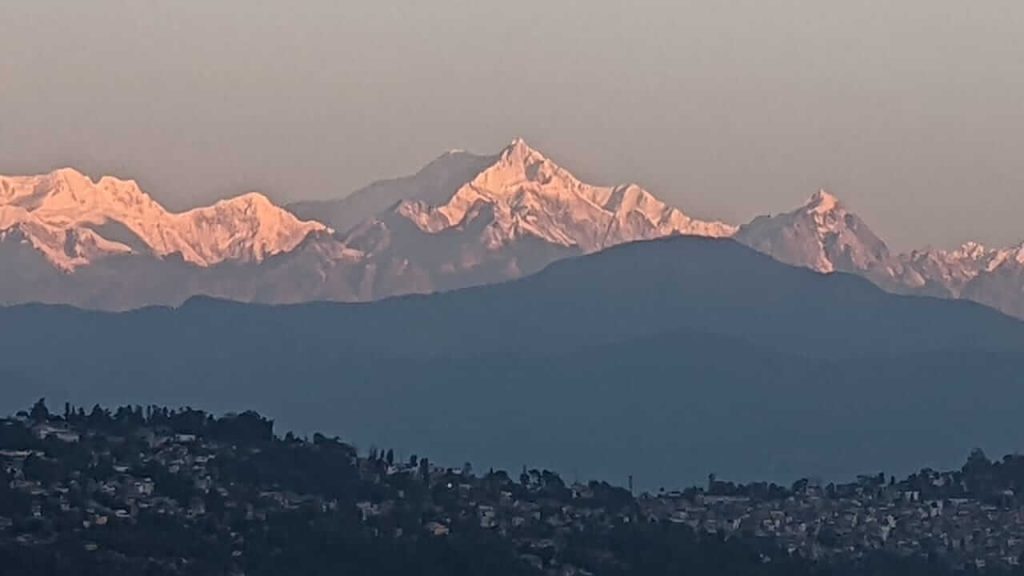
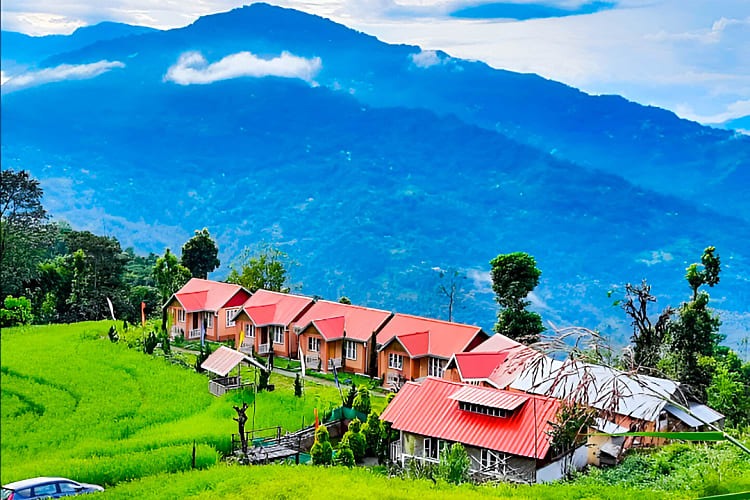
Chibo, a recently discovered gem of the Kalimpong region, lies tucked away amid thick pine forests. Chibo is a picturesque town tucked away in the Eastern Himalayan mountain range. Two of the most common and most easily reachable places from Chibo are Durpin Monastery and Morgan House. It is 4 kilometres away from Kalimpong. Unaffected by contemporary culture, its rustic design and calm atmosphere have made it a sanctuary for nature enthusiasts. Travellers were drawn to this charming settlement because of its captivating view of Mount Kanchenjunga.
Fikkalay Gaon (Kalimpong Offbeat)
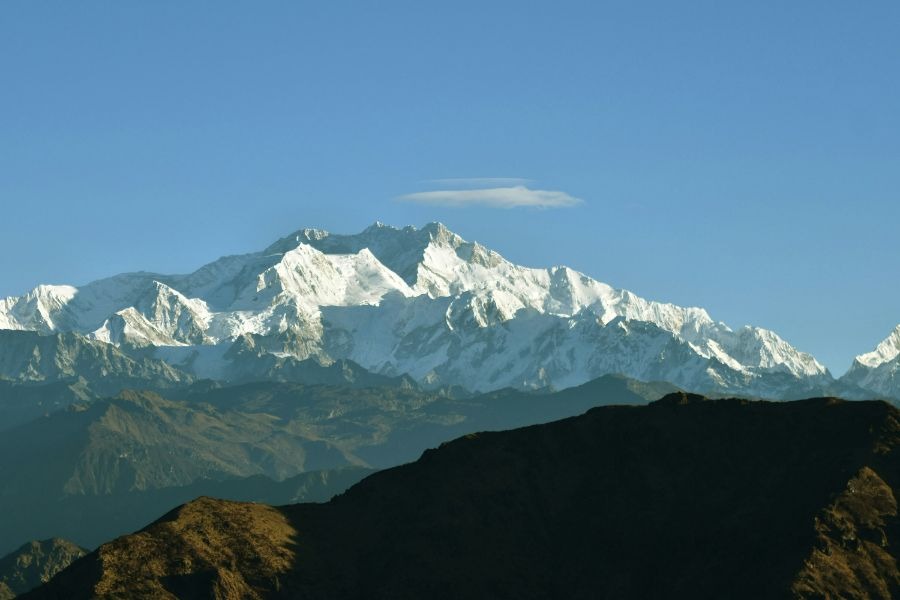
Amidst the verdant hills of Kalimpong, there sits an unexplored paradise— Fikkalay Gaon. Fikkalay Gaon provides a genuine taste of rural Himalayan living and it is an ideal getaway for people seeking adventure, peace and the natural world. This quaint hamlet should be on your list of places to visit if you are searching for a unique vacation spot away from the throng. It is extremely close to Delo and Ramdhura, which are downhill from Fikkalay Gaon; thus, giving the opportunity to its tourists to enjoy both high as well as low altitudes easily.
Mairung Gaon (Kalimpong Offbeat)
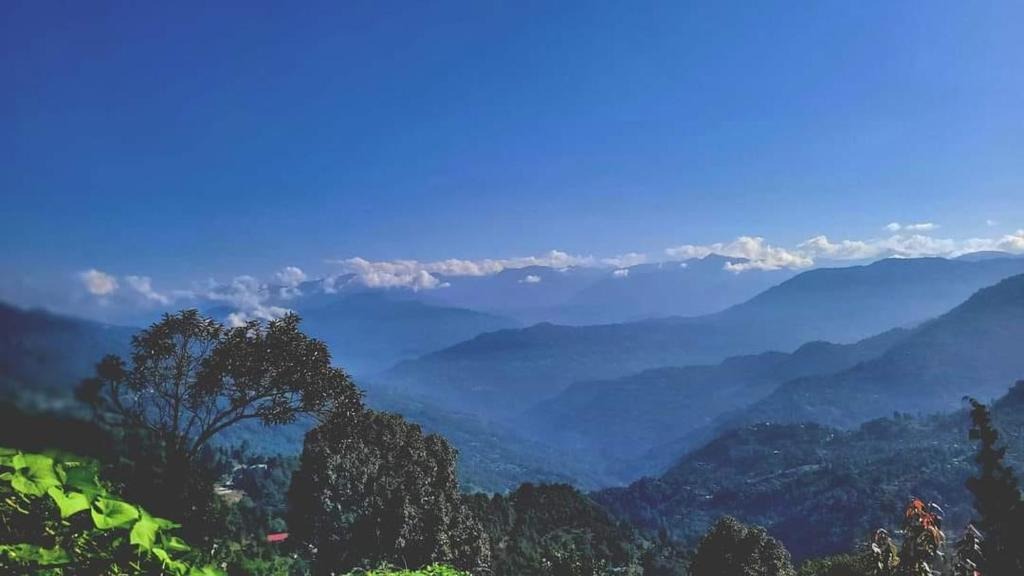
Mairung Gaon is located in the lap of the Neora Valley forest, situated quite near to the Duka Valley. It is only 15 kilometres from Kalimpong and can be reached by walking onto the green ridge. As the chilly breeze from the snow peak chills you and forces you to tighten your robe, you slowly get carried away. Experience the flavour of authentic Lepcha cuisine by settling into the huts. You will be mesmerised by the sound of birds chirping, the dancing waterfall, the wild orchids and the scent of pinecones, which give the entire place a woodland feel.
Kolakham (Kalimpong Offbeat)
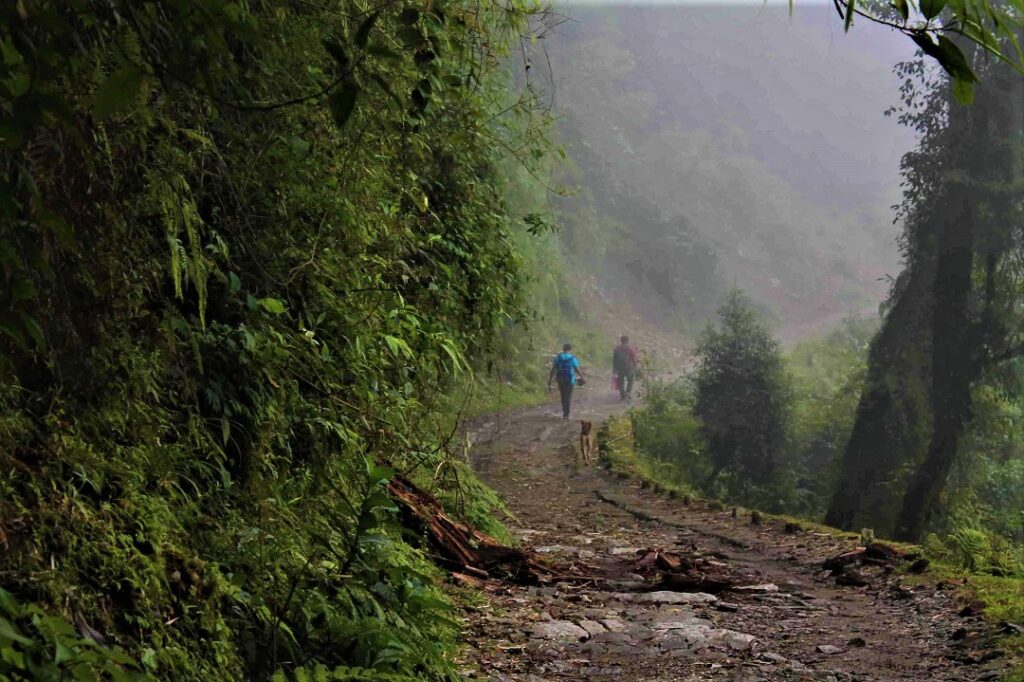
Kolakham is a tiny town in the Kolbong Forest of the Neora Valley. Kolakham is a prime example of a place where one can simultaneously find adventure and tranquilly. A remarkable settlement for getting a close-up look at the nature is Kolakham, which is perched on a hill 6100 feet high with a view of the powerful Eastern Himalayas. Kolakham is a 1:30-hour drive from Kalimpong and only 8 kilometres from Lava. As the route winds among the dense, verdant tropical and alpine trees, its picturesque magnificence is truly a visual delight.
Silk Route (Sikkim)
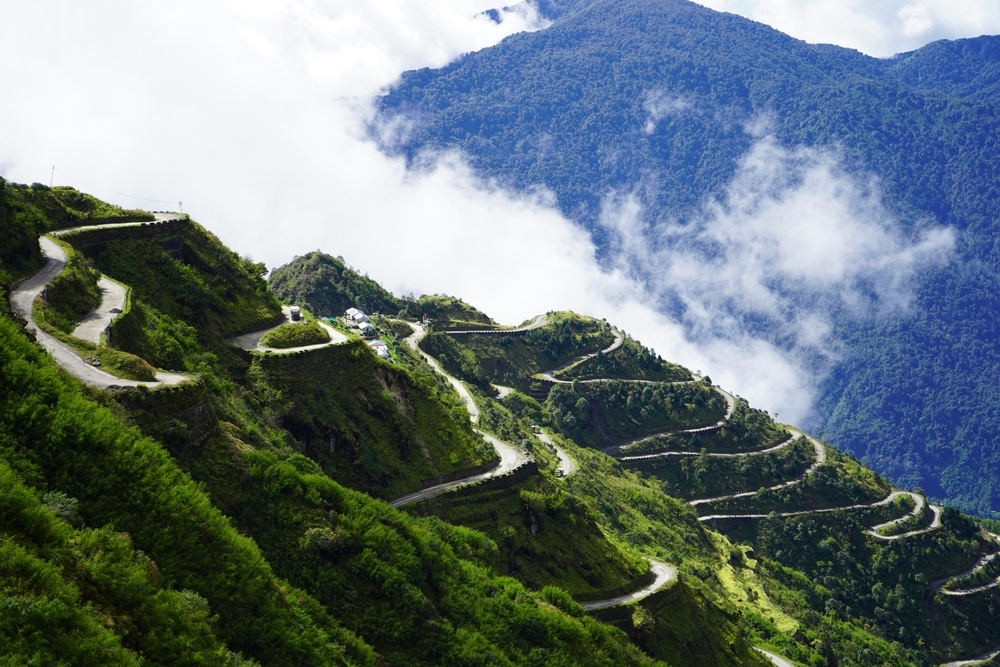
Silk Route offers you a wide range of spots to experience, beginning with the tranquil Zuluk, through the wooded Padamchey to the riverbank of Rishikhola. You can discover the lakes and historic monasteries of Aritar, such as Lingtam Monastery, before taking the Zig Zag Road to Kupup Lake and Lungthung View Point. Relax at the quaint Rongli riverfront resorts and take a moment to visit Old Baba Mandir as well as the hanging bridge at Bhagutar.
Dooars
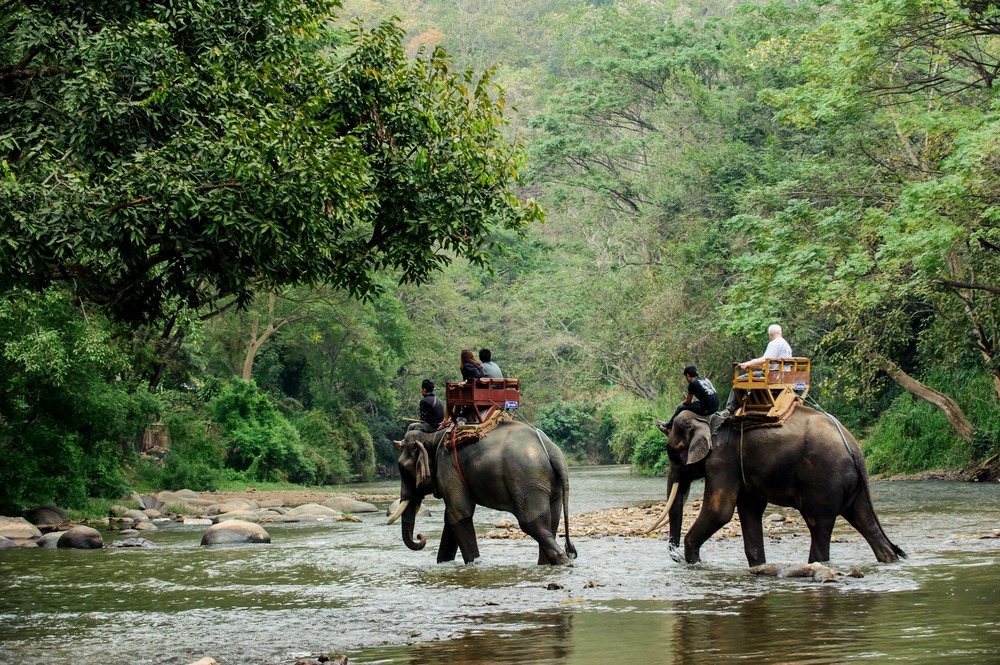
Dooars is a nature’s paradise for tourists who swear by the greens! The lush wilderness of the Gorumara Forest and the serenity of Lataguri Forest are something you should never miss if you are planning your next trip to the Dooars with us. The Buxa Tiger Reserve and the mysterious Chilapata Forest are places to venture, if you are a wildlife lover. Lava and Kalimpong are easily accessible from the Dooars. Moreover, your go-to activities for entertainment must be Jungle Safari, Elephant Safari and Rhinoceros Safari, which should not be missed at any cost!